
Visjedatjes 2.0: Why You Should Become a Lazy Diver
Interview about Visjedatjes 2.0, a presentation on overlooked underwater animals in the Oosterschelde and North Sea, with photography tips. Duikvaker 2027, following last year's edition in Duikvaker dive fair; the animals come from the Oosterschelde and the North Sea.
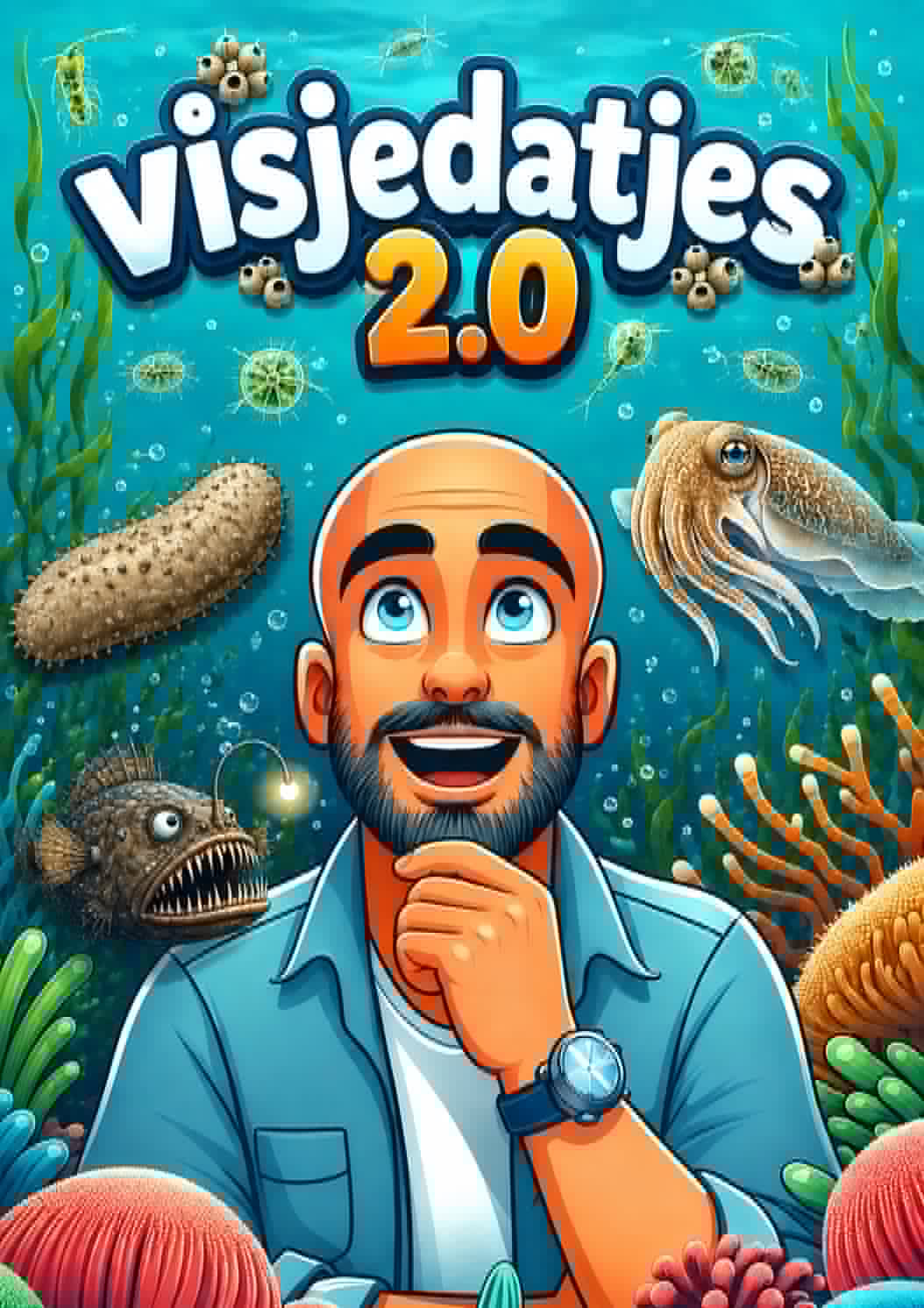
Anyone who walked around the Duikvaker dive fair last year couldn't miss it: Thomas Van Puymbroeck turned the place upside down with his '101 Nutteloze Visjedatjes'. This year the underwater photographer and coral breeder is back with Visjedatjes 2.0. His mission? To put the spotlight on the underwater residents we all swim over thousands of times without ever really seeing them.
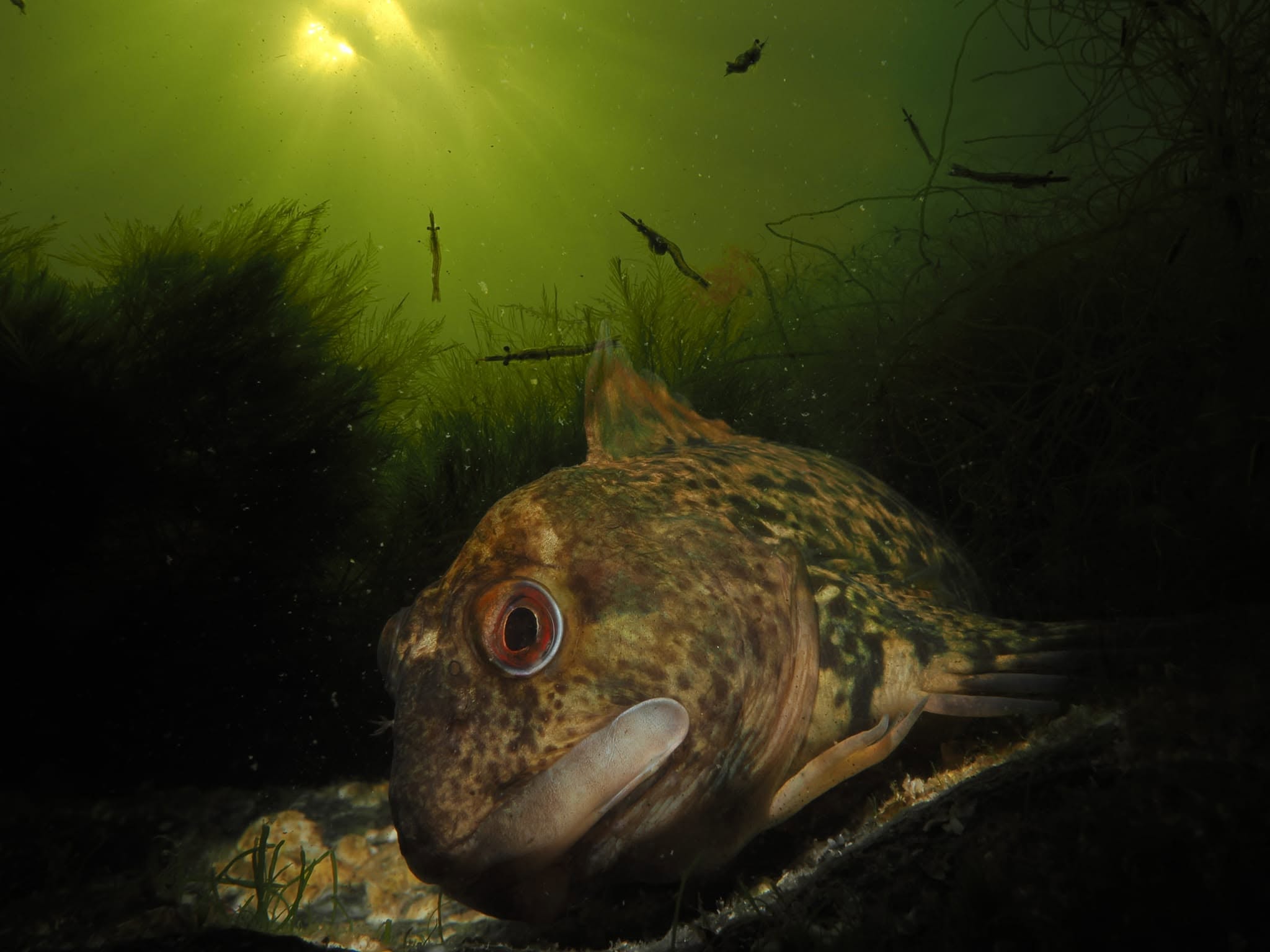 Thomas, last year you stole the show with your bizarre fish facts. Now you're back with Visjedatjes 2.0. Why do those overlooked underwater residents deserve a stage of their own after all?
“Because after the first series, far too many good stories were still left lying on the seabed. Last year we caught a whole school of bizarre fish facts, but it turned out there were still plenty of underwater residents swimming around that are at least as remarkable. We couldn't just let them get away, of course. With Visjedatjes 2.0, we're giving them their moment in the spotlight after all. Believe me: there are a few pretty strange characters in there again!”
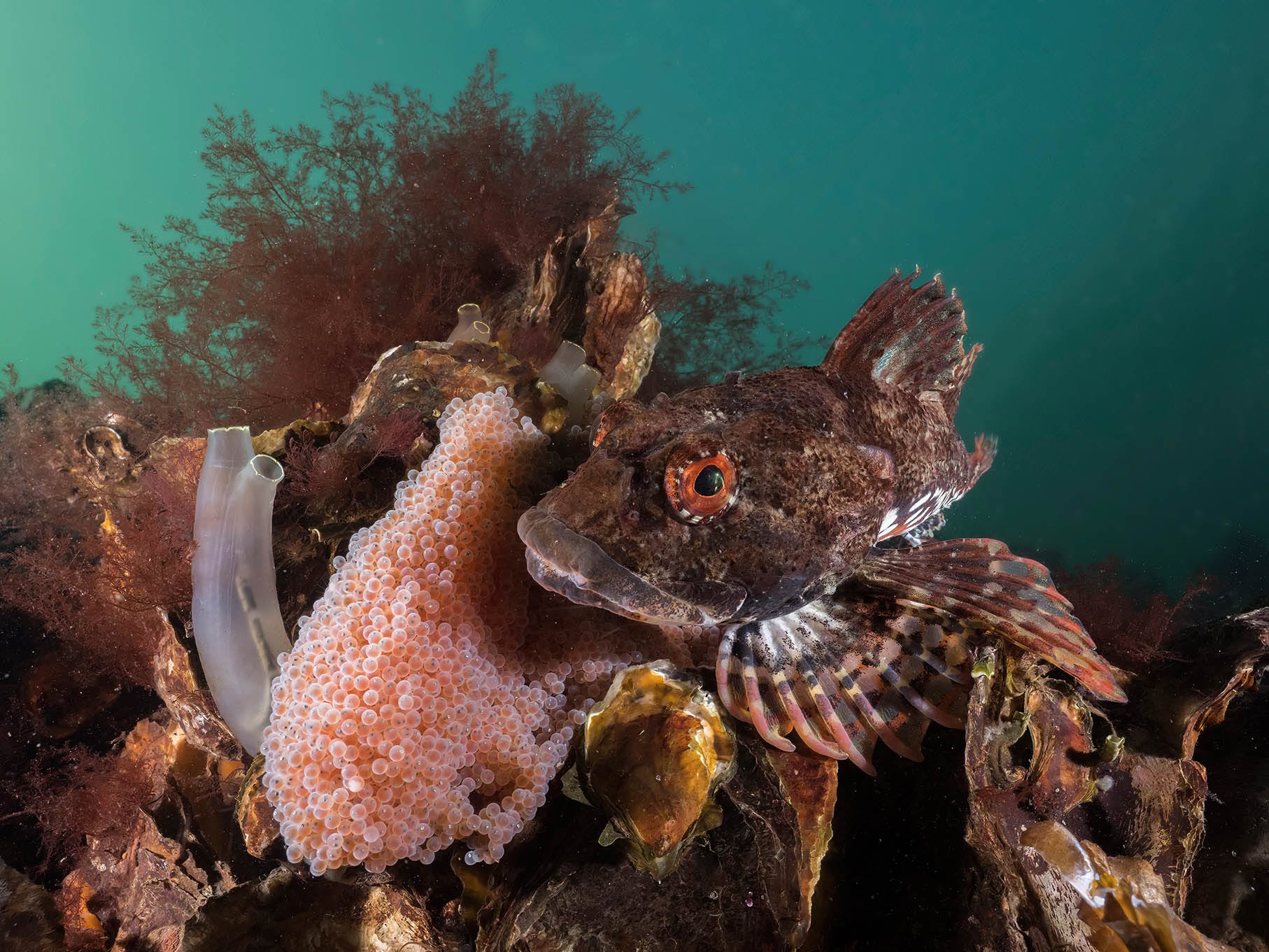 You promise to take us to animals we've swum over a thousand times. Without giving too much away, can you lift a corner of the veil on one such unassuming superstar from our own Oosterschelde or North Sea?
“A wonderful example is the barnacle. You probably walk over them literally every day without ever giving them a thought. The little creature is only a few millimetres in size and is firmly stuck to a rock, shell or other surface. But precisely because it can't go anywhere, the barnacle has come up with a rather spectacular and inventive solution for reproducing. I'll save exactly how that works for the presentation!”
The idea behind your new presentation is that afterwards we'll look at the water with completely different eyes. How has making this series changed your own way of looking during an ordinary dive?
“The funny thing is that because of this series I've actually become a 'worse' diver. Or rather: I hardly get anywhere anymore. These days, during a dive I often just stay put on a single square metre, close to the entry ladder. To many people that probably sounds incredibly boring, but I love it. Because when you're not constantly preoccupied with where you have to go, you only then start to really see what's happening around you. A tiny sea slug, a barnacle, a little fish hiding somewhere in the seaweed… On a square metre like that lives an entire world that you used to swim past blindly. My dives may have become a little less adventurous in terms of kilometres, but that's exactly what has made them so much more interesting.”
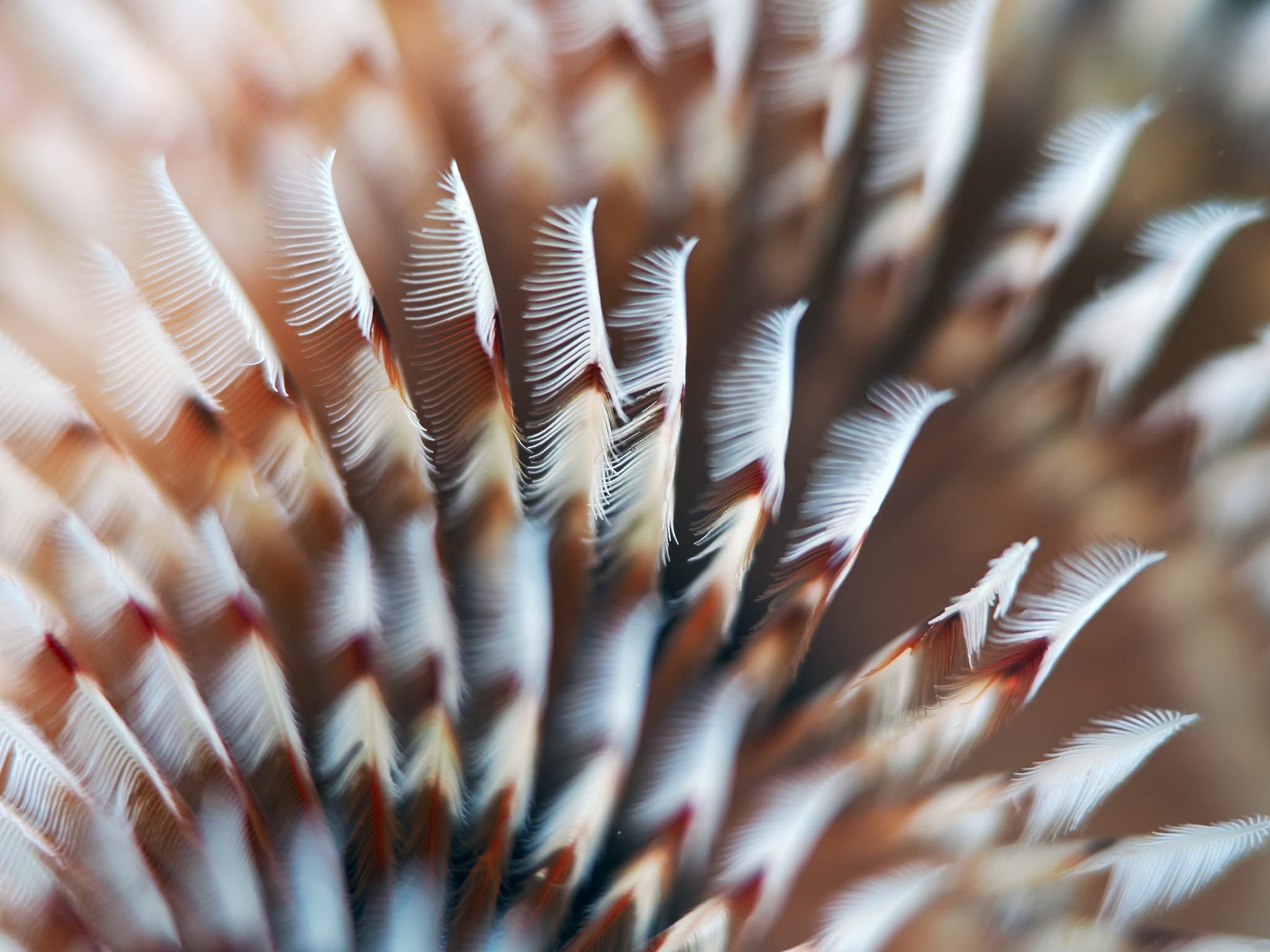 As an underwater photographer, you're often searching for the perfect shot of impressive species. How do you challenge yourself creatively to capture a fish that everyone finds 'boring' or 'ordinary' as an atmospheric work of art?
“I try to capture every animal in an atmospheric way, using colour. So not against a dull, jet-black background, but embedded in its natural surroundings. I want you to see not just the animal in the photo, but also a piece of the world it lives in. If you look specifically at colour, especially in the Oosterschelde, you can be genuinely surprised by how colourful our own waters are. Animals that look very ordinary at first glance turn out to have a beautiful colour palette up close. You just have to give them the chance to show it.”
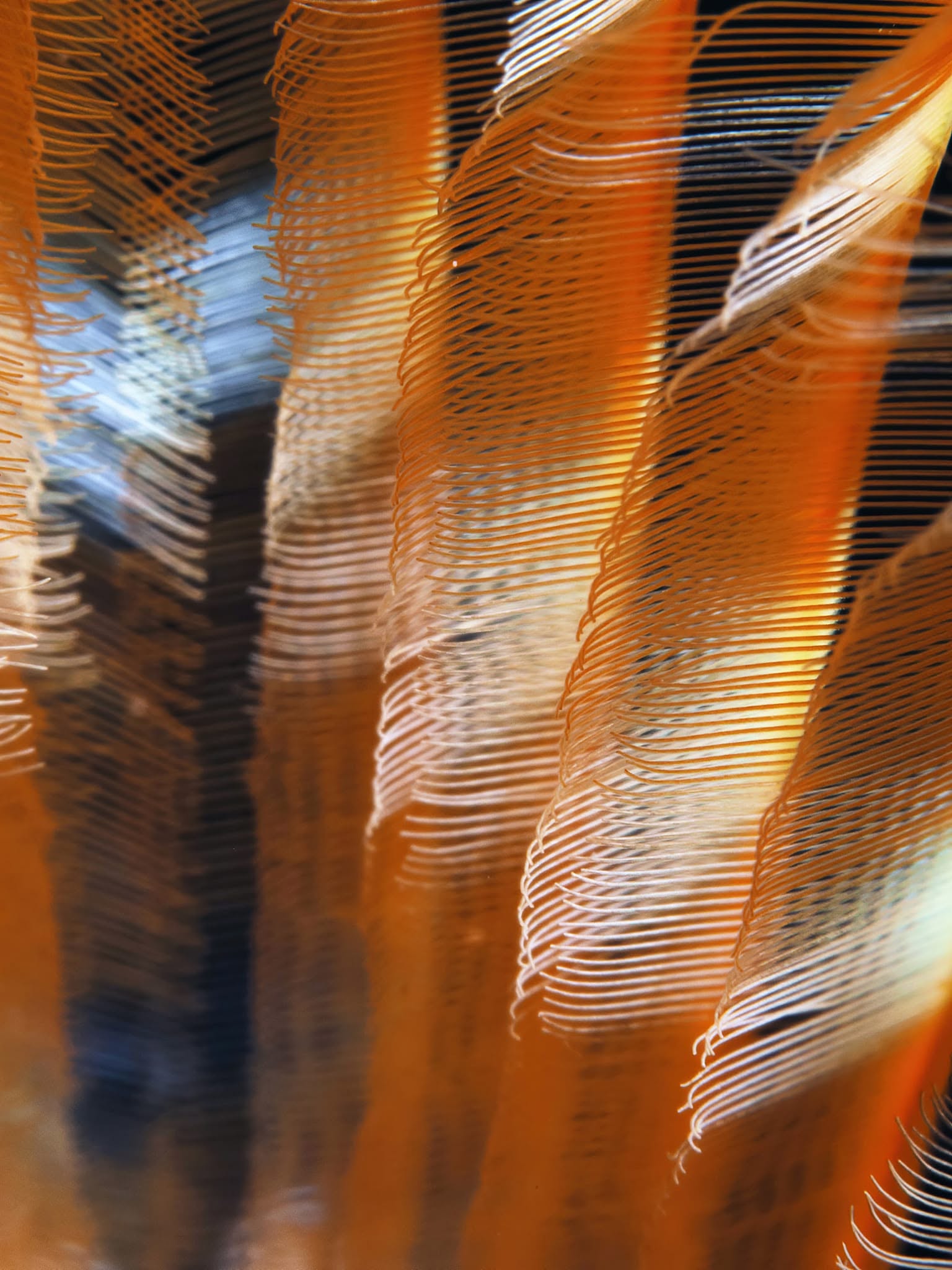 We all know it: the focus on that beautiful cuttlefish or that big lobster, so that we forget everything else. Why are we divers actually so programmed to look past 'ordinary' life?
“I think we often go into the water on a kind of mission: we want to see as much as possible in the limited time and air we have. So we want to cover distance. We automatically swim a bit faster and scan our surroundings for that one big lobster or cuttlefish. But it's precisely because of that rush that we sometimes no longer really look. When you slow down and simply stay in one spot for a while, only then do you discover how much tiny life is teeming around you. In Belgium and the Netherlands in particular, the biodiversity per square centimetre is enormous. You don't have to swim far at all to see something unique. You just have to be in a little less of a hurry.”
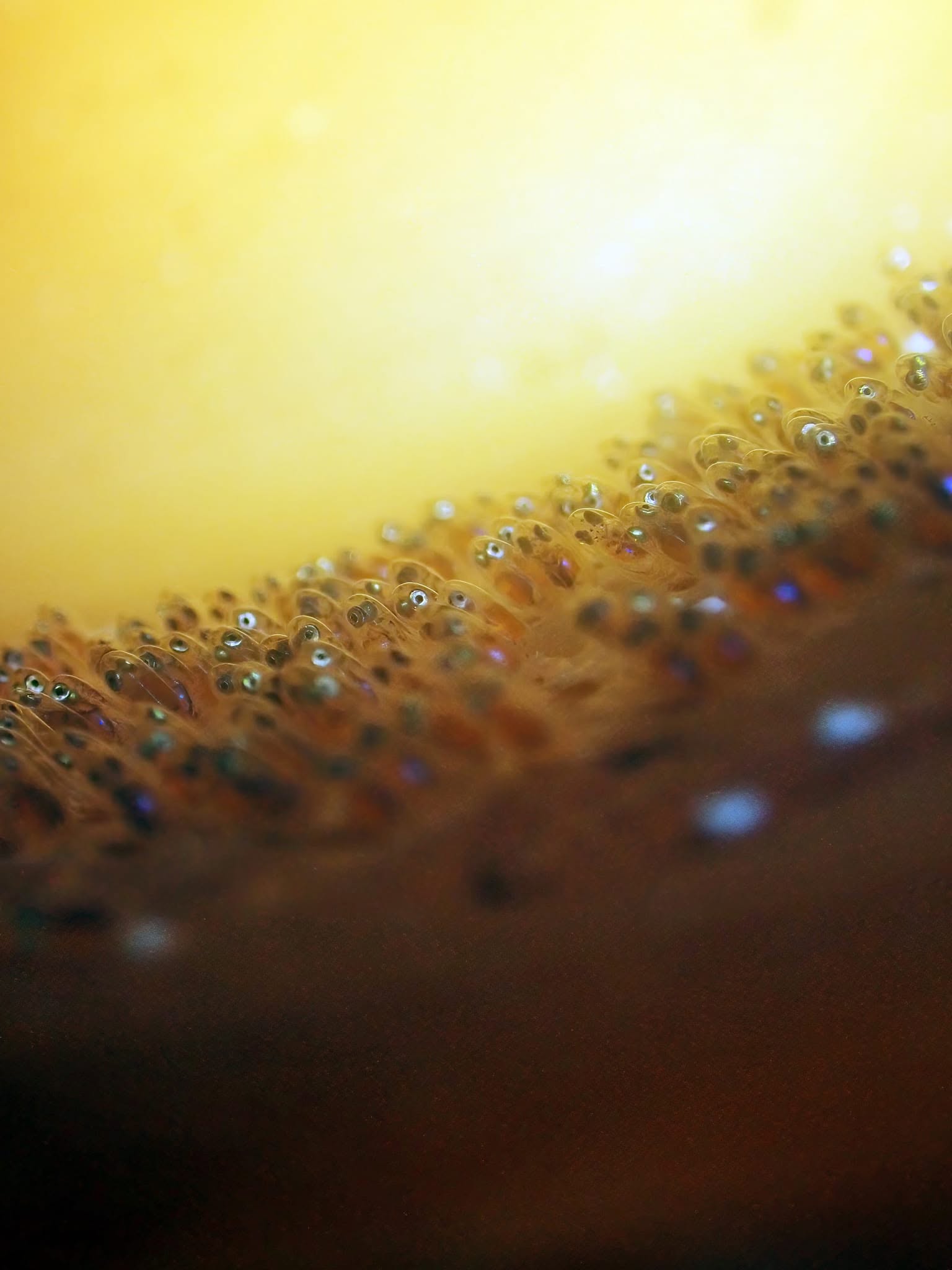 Have you ever made the mistake of being blind to something unique, which you only discovered at home on the computer, in the background of a photo?
“Definitely! Recently I was photographing a seahorse. When I was editing the photos on the computer at home, I suddenly saw that there was a shrimp right next to it. I hadn't noticed it at all while taking the pictures. If I had seen it underwater, I would absolutely have spent more time on it. Because, well… that shrimp probably can't tell the tale anymore by now! (laughs) That's a nice lesson right there: sometimes you think your subject is already settled, while a completely different, undiscovered story is unfolding in the background.”
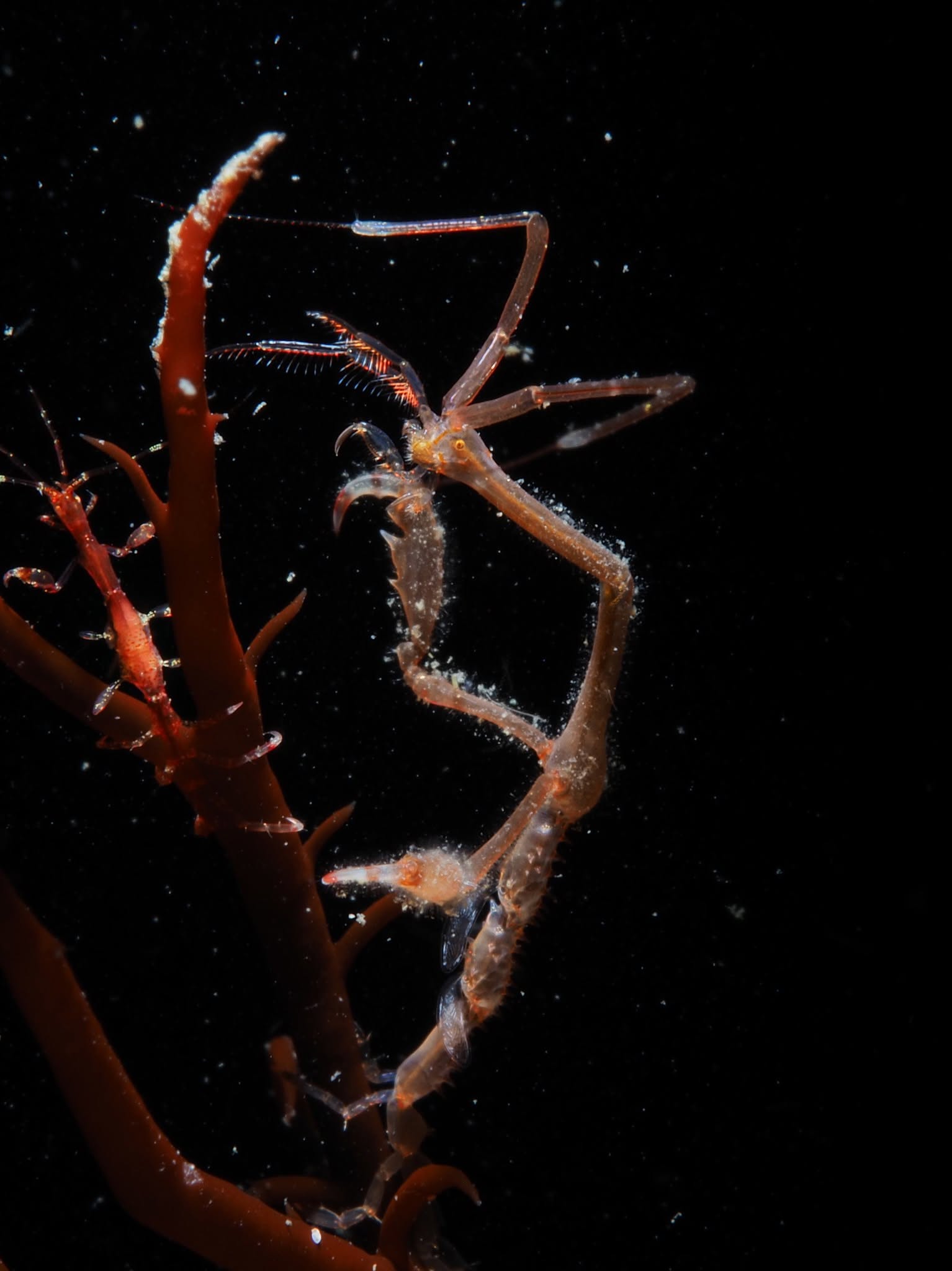 In the basement of the Zoo of Antwerp you grow coral, a process of millimetre-precision work and angelic patience. Does spotting and photographing these hidden 'visjedatjes' animals call for the same kind of micro-focus?
“Yes, absolutely. Those little critters naturally don't sit nicely still in front of the lens. First you have to manage to find them among the vegetation, and then you have to get them sharply in frame as well. That takes a good dose of patience. You can't just quickly snap a photo and paddle on. It's a matter of continuing to look, anticipating, waiting for the right moment, and sometimes simply accepting that the little animal decides to turn the other way. But that very challenge is what makes it so much fun.”
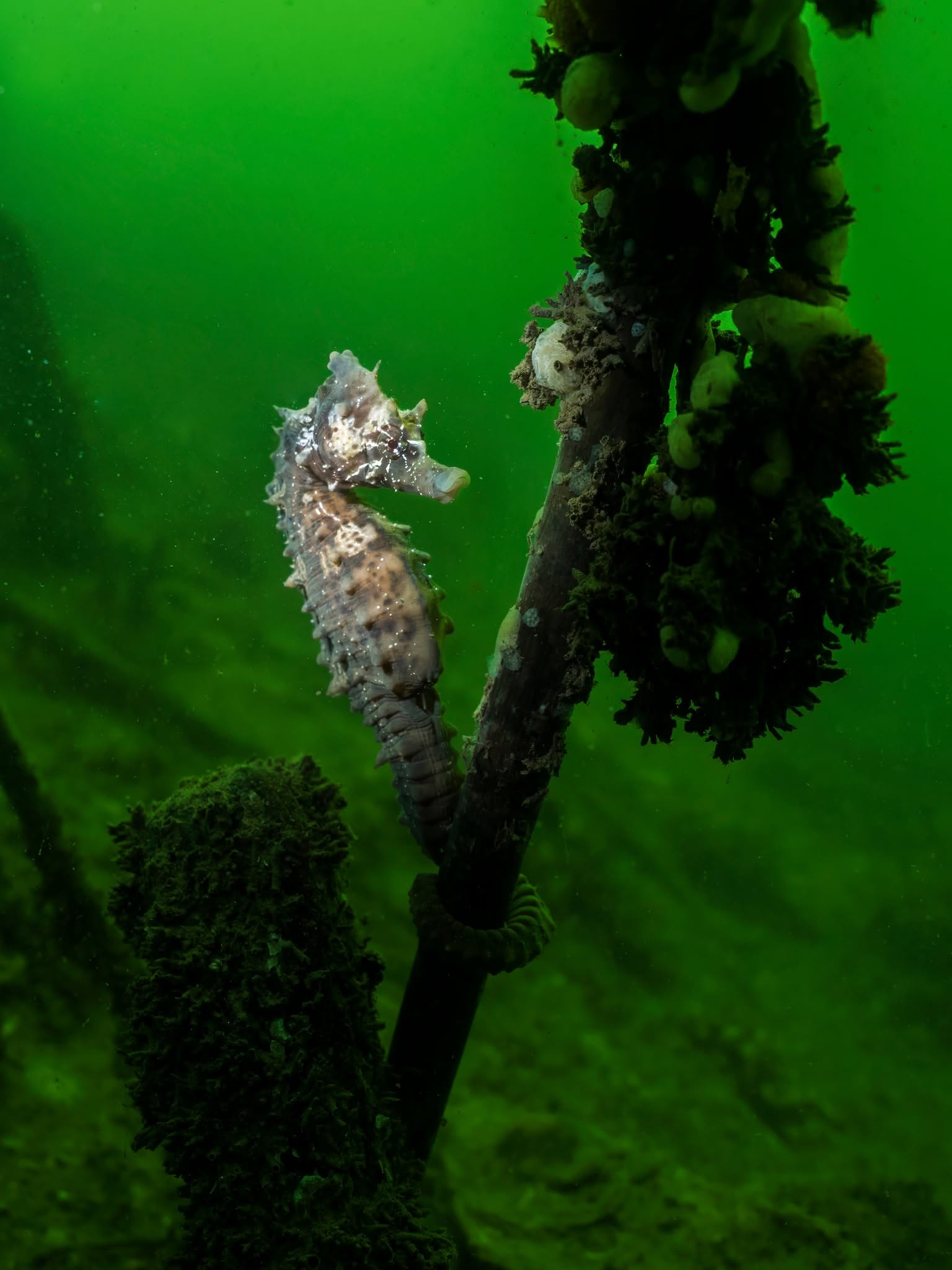 Your mission is clear: to make people fall in love with the ocean so that they want to protect it. Does that connection work better through the mysterious little creatures close to home than through the big, iconic sharks?
“Actually, both work very well. The big, iconic animals like sharks and whales have an enormous, undeniable appeal. They remain fantastic. But we know those animals well enough from documentaries by now. That's why I now want to focus on the species we know far less about. After all, what is unknown is often unprotected too. When people discover how many remarkable, colourful and sometimes downright bizarre animals live right here in the North Sea and Oosterschelde, I hope they'll start to care more about them. You really don't always have to fly to the other side of the world to fall head over heels in love with the underwater world.”
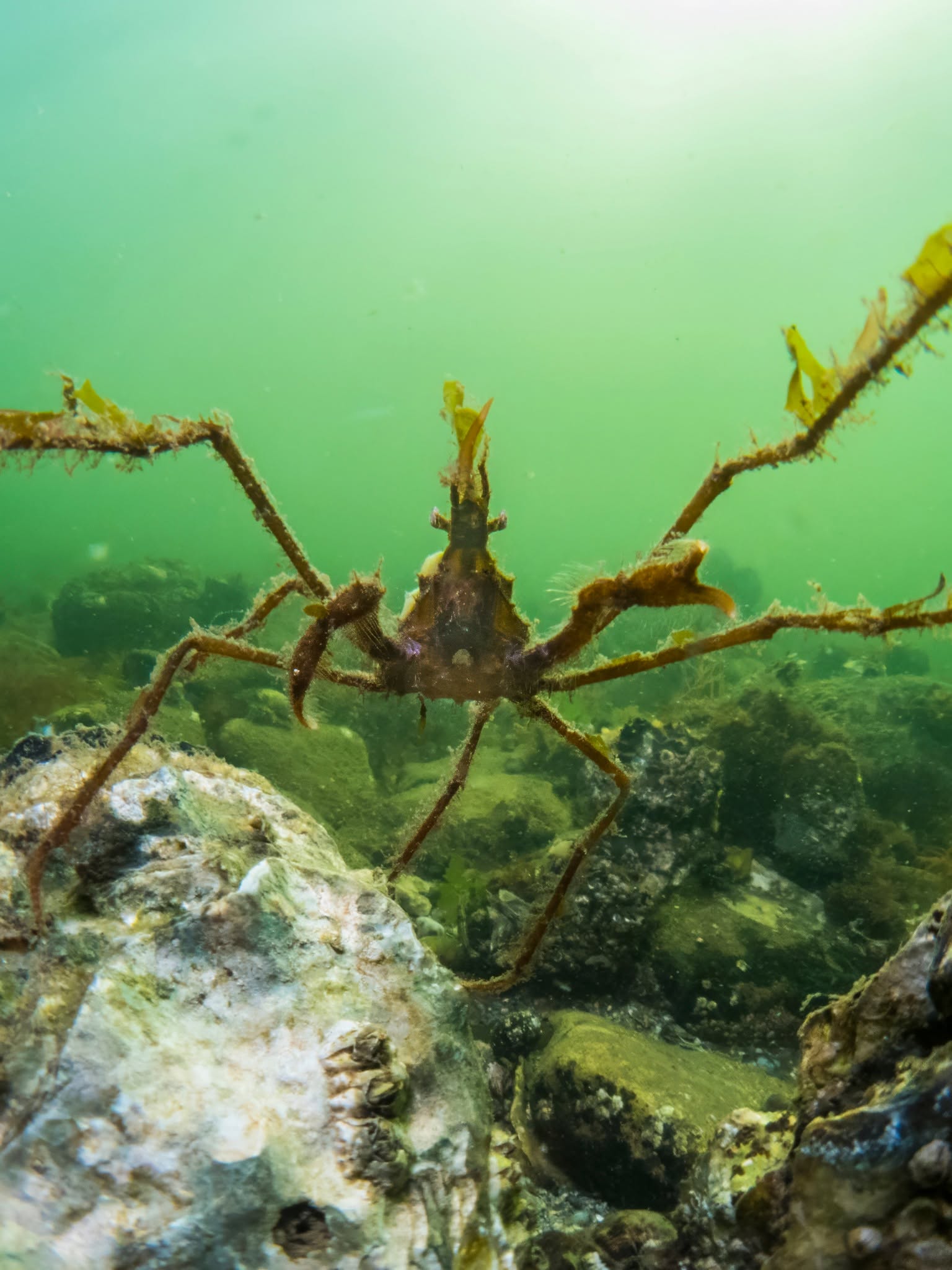 You're known for presentations that are anything but dry. What can visitors to Duikvaker expect this year in terms of atmosphere and energy during your session?
“Chaos, I think! (laughs) I quite like making unexpected mental leaps from one subject to another, only to cheerfully land back on the common thread of my presentation a few minutes later. But above all: a lot of fun. I want it to be enjoyable and funny, but also for you to really learn something along the way. My ideal audience leaves the room with a broad smile and a head full of new facts. If I occasionally hear an ‘Ooh, wow… I had no idea!’ from the audience, then my mission is accomplished.”
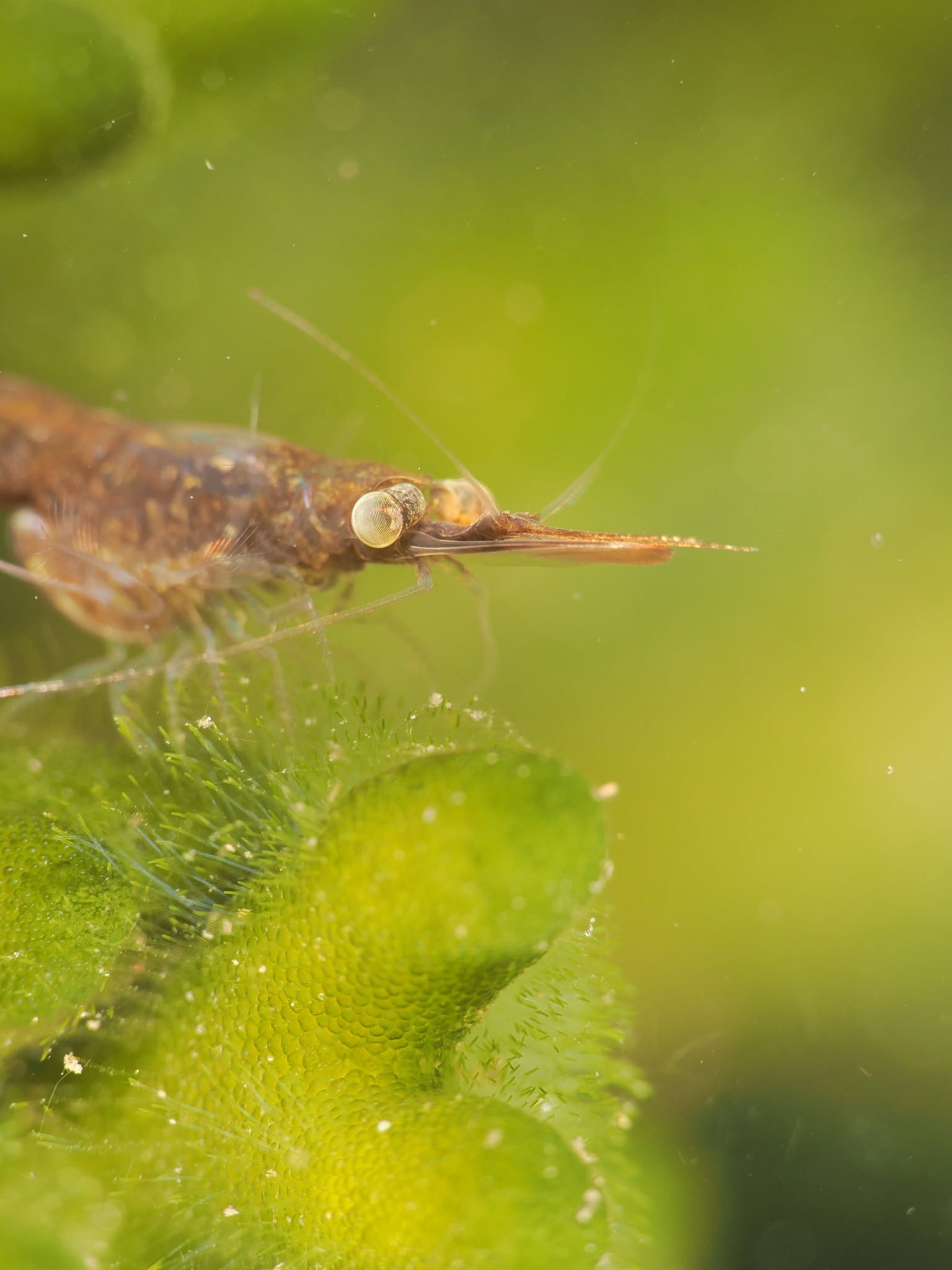 For the divers who, straight after your talk, want to get into the water with their cameras to look for those 'invisible' animals: what is the most important photography tip you'd like to give them on the fair floor?
“Become a lazy diver. Really. We often tend to want to cover as much distance and see as much as possible, but that actually makes us swim far too fast. If you want to photograph those small, seemingly invisible animals, you have to slow down enormously. Try hanging around on a single square metre for a while and really look. Underwater, you don't always have to be going somewhere. Sometimes standing still is the very best way to see more. And who knows, you might suddenly discover something fantastic that you would otherwise undoubtedly have swum right over.”
 About Thomas Van Puymbroeck
Thomas Van Puymbroeck is an award-winning Belgian photographer specialising in underwater and nature photography. His passion for the underwater world began almost 20 years ago. Although he initially graduated as a graphic designer, he chose to follow his heart and worked as an animal keeper at the Zoo of Antwerp. It was there that he earned his dive certification and quickly discovered that he wanted to capture this beautiful world beneath the surface of the sea. His work is recognised worldwide and has been published in renowned media. He is also an ambassador for brands such as OM System, sea&sea and Mares. In addition, he organises underwater photography trips, inspiring others to discover the beauty of the ocean through the lens. Thomas also published the book 101 Nutteloze ‘Vis’jedatjes, which is packed with fun and quirky facts about everything that swims, crawls or lives in the ocean and offers a light-hearted dive into the astonishing underwater world. You can order the book via his website!
At a glance
- What
- Interview about Visjedatjes 2.0, a presentation on overlooked underwater animals in the Oosterschelde and North Sea, with photography tips.
- When
- Duikvaker 2027, following last year's edition.
- Where
- Duikvaker dive fair; the animals come from the Oosterschelde and the North Sea.
- Who
- Thomas Van Puymbroeck, award-winning Belgian underwater photographer and coral breeder at Antwerp Zoo.
- Why
- To make people fall in love with the ocean so they want to protect it, by showing lesser-known species.
- How
- Through a funny, energetic presentation with photos of animals in their natural, colourful surroundings, and by advising divers to slow down.
Key facts
- Thomas Van Puymbroeck presents Visjedatjes 2.0 at Duikvaker.
- His first talk, 101 Nutteloze Visjedatjes, was held at Duikvaker last year.
- He is a Belgian underwater photographer and coral breeder.
- He grows coral in the basement of Antwerp Zoo.
- He is an ambassador for OM System, Sea&Sea and Mares.
- His main tip: stay on one square meter and look.
- Barnacles are a few millimeters in size and stay fixed in place.
- His book can be ordered at www.thomasvanpuymbroeck.com.
Frequently asked questions
Who is Thomas Van Puymbroeck?
Who is Thomas Van Puymbroeck?
What is Visjedatjes 2.0 at Duikvaker 2027?
What is Visjedatjes 2.0 at Duikvaker 2027?
How do you photograph small underwater animals?
How do you photograph small underwater animals?
Why does Van Puymbroeck photograph common animals in colour?
Why does Van Puymbroeck photograph common animals in colour?
Where can you buy the book 101 Nutteloze 'Vis'jedatjes?
Where can you buy the book 101 Nutteloze 'Vis'jedatjes?
Keywords
- Visjedatjes 2.0
- Thomas Van Puymbroeck
- duikbeurs Duikvaker
- onderwaterfotografie tips
- luie duiker
- Oosterschelde duiken
- zeepok voortplanting
- 101 Nutteloze Visjedatjes
- macrofotografie onder water